SMP vs Hair Transplant — Which Is Right?
 Written by the Fix My Hair Editorial Team · Clinician-reviewed by Dr Hisham Band · GMC No. 7550130 · Last reviewed 12 Jun 2026
They’re often compared, but SMP and a hair transplant solve the problem in completely different ways. One adds the look of density today; the other grows hair over a year.
The core difference
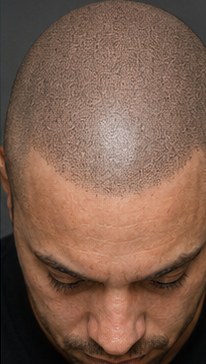
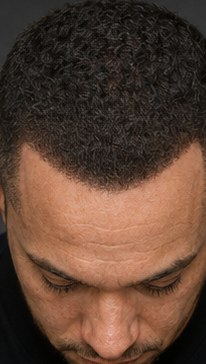
A hair transplant moves your own follicles to grow real hair. SMP deposits pigment to create the appearance of density — instantly, without surgery.
When SMP wins
If you want a same-day result, the shaved look, scar camouflage, or you’re not a surgical candidate — SMP is often the answer.
When they combine
Many patients use both: a transplant for permanent hair, with SMP adding density between grafts. It’s not either/or.
The core difference
The fundamental distinction is simple: a hair transplant gives you real, growing hair you can style and run your fingers through; SMP gives you the appearance of closely-shaved hair or added density using pigment. One restores actual hair; the other recreates the look of it. Everything else — cost, downtime, suitability — flows from that one difference.
How they compare
- Result: transplant = growing hair with length; SMP = the look of a buzzed scalp or denser hair.
- Permanence: transplant is permanent; SMP is semi-permanent, fading over 3–5 years and needing top-ups.
- Downtime: transplant has a healing and growth period (months to full result); SMP has minimal downtime and immediate results.
- Donor required: a transplant needs healthy donor hair; SMP doesn’t, so it suits those with little or no donor.
- Maintenance: transplanted hair grows and needs cutting; SMP for the shaved look means keeping your real hair clipped short to match.
When SMP is the better choice
SMP wins when you want a sharp, shaved look without surgery; when you don’t have enough donor hair for a transplant; when you want an immediate result with no downtime; when you’re camouflaging a scar; or when you simply prefer a buzzed style and low maintenance. It’s also far less expensive upfront than surgery.
When a transplant is the better choice
A transplant wins when you want real, growing hair you can wear at length and style; when you have good donor supply; and when you want a permanent solution rather than ongoing top-ups. If running your fingers through actual hair matters to you, only a transplant delivers it.
When they work together
SMP and transplants aren’t mutually exclusive — combined, they can be more than the sum of their parts. SMP placed between transplanted grafts reduces the scalp-to-hair contrast and makes a given number of grafts look denser, which is especially useful when donor supply is limited. SMP can also camouflage any donor or strip scar from the surgery. Many of the most natural results use both.
Cost and commitment
SMP is typically the lower upfront cost and a quicker commitment, but it’s semi-permanent — budget for top-ups every few years. A transplant is a larger one-off investment that, once grown, is permanent. Which represents better value depends entirely on the result you actually want — they solve different problems.
How to decide
Start with the result you want: growing hair with length points to a transplant; a clean shaved look or added density without surgery points to SMP. Then factor in donor supply, budget and appetite for downtime. The honest way to choose is an assessment where both are on the table — a clinic that only offers one will always recommend that one.
Common questions
Is SMP cheaper than a transplant? Usually lower upfront, but it’s semi-permanent and needs top-ups; a transplant costs more once but is permanent.
Can I have both? Yes — combining them is common and can produce a denser, more natural result, and hide any scar.
Key takeaways
- Transplant grows real hair; SMP adds the look of density
- SMP is same-day and non-surgical
- Transplant results develop over ~12 months
- SMP is ideal for the shaved look and scars
- The two are often combined