Why Testing Comes Before Treatment
 Written by the Fix My Hair Editorial Team · Clinician-reviewed by Dr Hisham Band · GMC No. 7550130 · Last reviewed 9 Feb 2026
Testing first matters, because hair loss can have an underlying medical cause that will undermine any treatment if it is left unaddressed.
Treating without testing is guessing
It’s tempting to skip straight to a treatment, a tablet, a transplant, a supplement, but hair loss has many causes, and the right treatment for one is useless (or wasteful) for another. Pattern loss, an underactive thyroid, low iron and a stress-related shed can all look similar in the mirror yet need completely different responses. Testing first replaces guesswork with a diagnosis, so your plan targets the actual cause rather than the most likely one.
What the panel tests, and why
The hair-health panel looks at the markers most likely to drive or worsen hair loss:
- Ferritin, iron stores; one of the most common and most missed contributors, especially in women.
- Full blood count, screens for anaemia and general health.
- Thyroid (TSH, T3, T4), both under- and over-active thyroid cause diffuse shedding.
- Vitamin D, low levels are linked to hair loss and poor follicle cycling.
- Vitamin B12, deficiency can cause shedding, and is common on plant-based diets.
- Hormonal markers, testosterone, DHT and related hormones that drive androgenetic loss.
- Zinc and other markers where relevant to your picture.
How results change the plan
Testing routinely changes what we’d recommend. A few real-world examples: a man set on a transplant turns out to have a treatable thyroid issue driving a diffuse shed, surgery would have disappointed. A woman convinced she needs medication has rock-bottom ferritin, correcting iron alone improves her hair. Someone with classic pattern loss has it confirmed, so finasteride and minoxidil are started with confidence. Same symptom, three different right answers.
The cost of skipping it
Skipping diagnosis risks two expensive mistakes: treating the wrong thing (spending months and money on something that won’t work), or undermining a good treatment because an untreated deficiency keeps dragging your hair down. A transplant performed over an undiagnosed shed, for example, can leave a patchy result. Testing first is cheaper than getting it wrong.
What the test involves
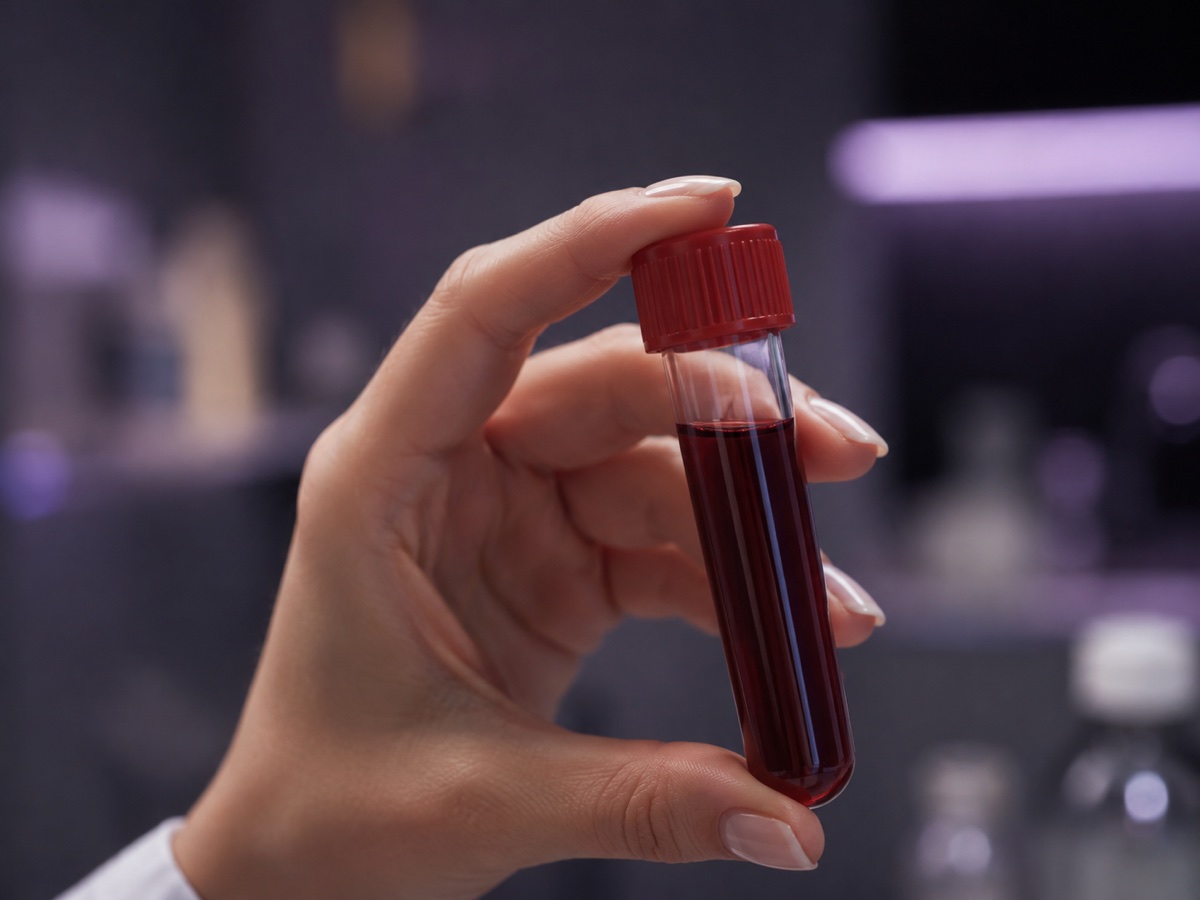
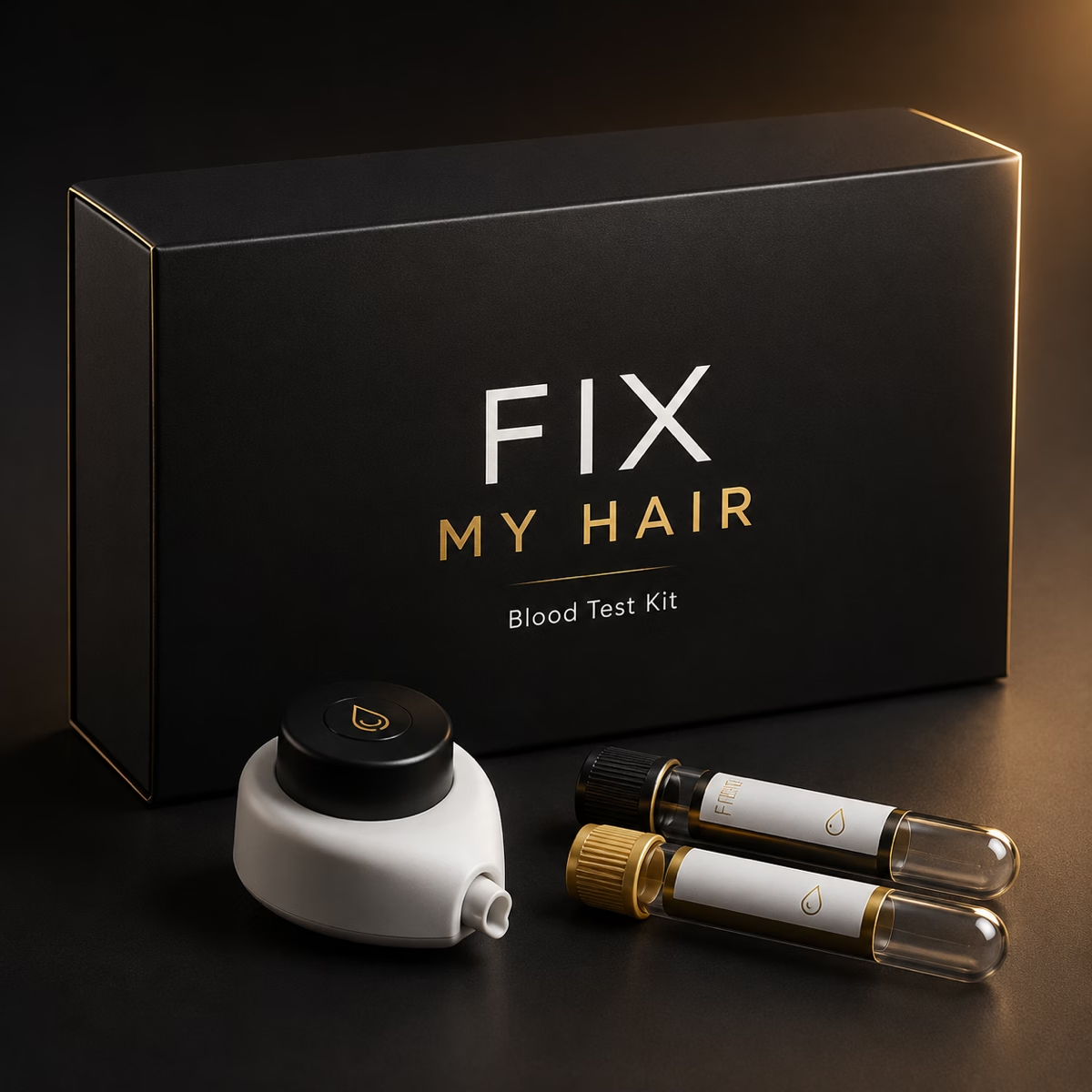
Our Comprehensive Hair Health Blood Test is straightforward, a simple blood draw, results in a few working days, interpreted against the levels that matter for hair rather than just the standard ranges. From there you get a clear, honest plan: sometimes medication, sometimes correcting a deficiency, sometimes surgery, and sometimes simply reassurance. Explore it on the diagnostics page.
Common questions
Do I really need a blood test for hair loss? If you want the right treatment rather than the most likely guess, yes, especially for women and for anyone whose loss is sudden or diffuse.
What if everything comes back normal? Then we’ve confirmed pattern loss and ruled out reversible causes, which makes the plan more confident, not less useful.
Key takeaways
- Testing reveals treatable causes in ~30%
- Ferritin is the most commonly missed
- Thyroid dysfunction mimics pattern loss
- DHT levels inform medical treatment
- The £149 panel covers all seven